When constructing a new home or undertaking a major renovation, the roof stands as one of the most critical structural and financial investments you will make in your property. Far more than a simple overhead shelter or architectural cap, a properly engineered roofing system functions as the primary shield for the entire building envelope. It continuously absorbs the brunt of extreme weather conditions—from driving rain and heavy winter snow accumulation to high-velocity winds, ice dams, and severe ultraviolet radiation.
Beyond its vital protective function, your roof plays a dominant role in your home’s exterior design and overall market value. Accounting for up to 40% of a home’s visible exterior, the choice of roofing materials, pitch profiles, and finish textures dramatically influences curb appeal.
From clean, modern standing-seam metal panels to rich architectural dimensional shingles and synthetic slate, a well-executed roof installation elevates the architectural character of your residence while delivering a high return on investment (ROI) at resale.
Whether you are a builder organizing a new residential takeoff or a homeowner planning a necessary roof replacement, understanding the core components, structural requirements, and installation standards of a high-performance roof is essential. This guide breaks down everything you need to know to make informed decisions about roofing materials, weatherization accessories, ventilation systems, and long-term maintenance.
Understanding Roof Installation
The process of roof installation involves several essential steps that ensure your roof is durable, weather-resistant, and meets all necessary safety standards. Whether you’re considering installing a new roof or replacing an old one, understanding these steps is crucial for a successful project.
Choosing the Right Roofing Material
The first step in roof installation is selecting the right material. Common options include asphalt shingles, metal roofing, clay tiles, and wooden shakes. Each material has its own advantages and disadvantages. For example, asphalt shingles are cost-effective and easy to install, making them a popular choice among homeowners. Metal roofing, on the other hand, offers superior durability and is ideal for areas with extreme weather conditions.
Your choice of material should consider factors such as climate, architectural style, budget, and maintenance requirements. For more detailed guidance, consult with roofing professionals who can provide personalized recommendations that fit your needs and preferences.
Preparation for Roof Installation
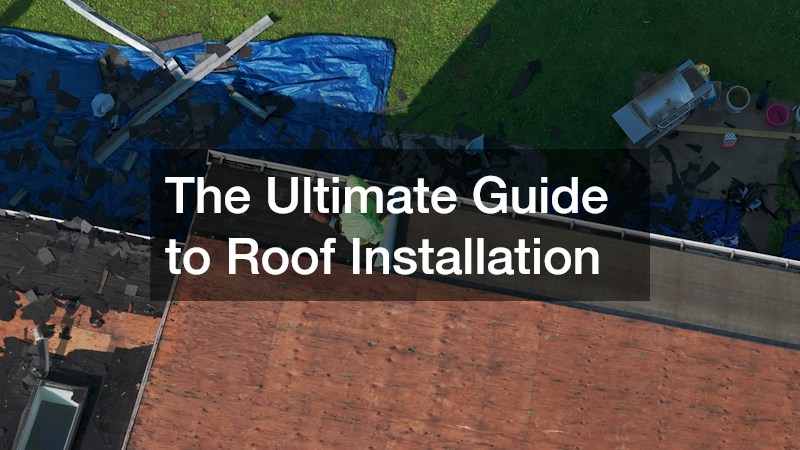
Proper preparation is key to a successful roof installation. This includes removing old roofing materials, repairing any structural issues, and ensuring the roof deck is clean and dry. It’s crucial to check for any underlying problems like water damage or rot that could compromise the new roof’s performance.
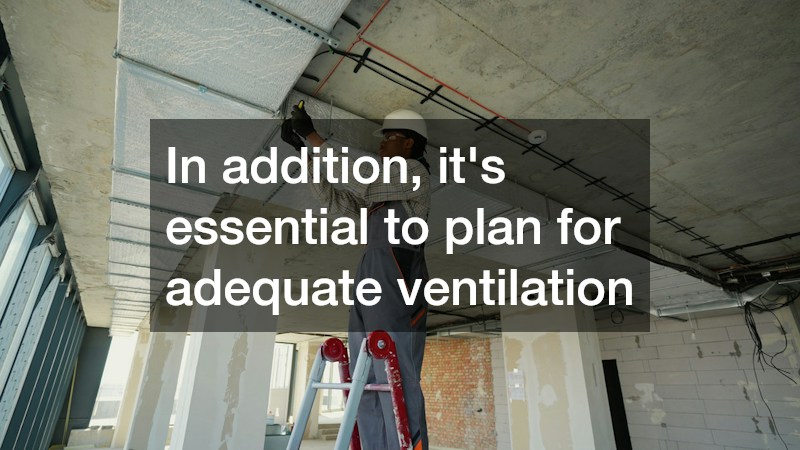
In addition, it’s essential to plan for adequate ventilation. Good ventilation is critical to preventing moisture buildup within the attic, which can lead to mold growth and reduce the lifespan of your roof.
The Roof Installation Process
Once the preparation is complete, the actual roof installation can begin. This typically involves laying down a waterproof underlayment as a protective barrier against moisture. The next step is to install the chosen roofing material. Proper alignment is crucial, with shingles or tiles overlapping as necessary to prevent leaks.
Professional roofers use specialized techniques and tools to ensure that each roofing component is securely fastened and aligned. This process might also include installing flashing around chimneys, vents, and edges to direct water away from vulnerable areas.
Post-Installation Check
After the roof installation, a thorough inspection is necessary to ensure that the entire roof is securely in place, and there are no weak spots or gaps. Professional roofers will perform checks for alignment, sealing, and other essential aspects that contribute to the roof’s overall integrity.
The post-installation phase is also when the homeowner should ensure that all debris from the installation is cleared away, and all roofing warranties and guarantees are in place.
Maintaining Your New Roof
Once your roof installation is complete, ongoing maintenance is key to extending its lifespan and ensuring optimal performance. Regular maintenance tasks include cleaning gutters, checking for damaged or missing shingles, and inspecting for signs of water damage or mold.
It’s recommended to have a professional roofer inspect your roof every couple of years, particularly after severe weather conditions. This can help identify potential issues early and prevent costly repairs down the line.
Hiring a Professional
While some homeowners may consider managing roof installation themselves, it is typically a job best left to professionals. Experienced roofers offer the expertise, tools, and safety measures that ensure a high-quality finish. When hiring a contractor, ensure they have a good reputation, are licensed and insured, and provide a detailed quote covering all aspects of the project.
A professional roofing service not only provides peace of mind during installation but also includes warranties that cover potential future issues, offering added security for your investment.
Roof installation is a significant investment that requires careful planning and execution. By understanding the materials, preparation, process, and maintenance involved, homeowners can ensure a successful roofing project that stands the test of time. Whether you opt for a DIY approach or hire professionals, the right roof installation will provide protection, enhance your home’s appearance, and increase its value for years to come.