Your roof is one of the most noticeable parts of your home. From the street, it can account for a significant portion of the visible exterior, influencing how the rest of the property looks and feels. Even when the roof is still performing its basic function, signs of aging, inconsistent materials, visible damage, or an outdated appearance can make the entire home look less polished. Taking a closer look at your roof can help you determine whether it complements your home’s architecture or quietly detracts from its curb appeal.
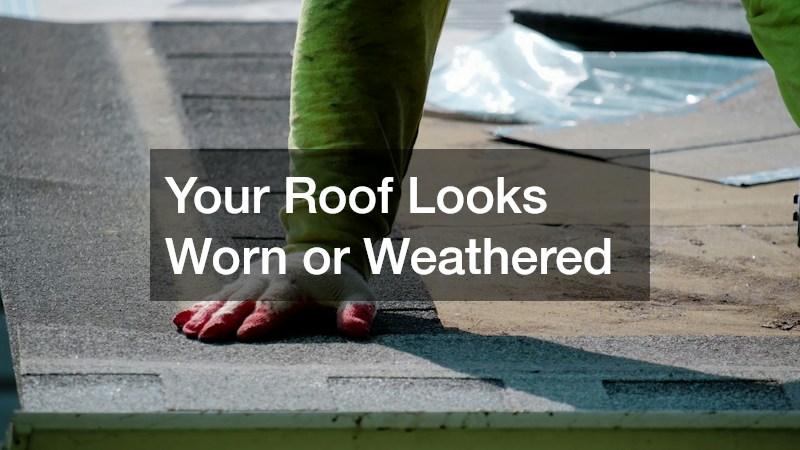
Your Roof Looks Worn or Weathered
One of the clearest ways a roof can affect curb appeal is through visible wear. Discoloration, faded areas, streaking, moss growth, and general weathering can make a home’s exterior appear older than it actually is. Years of exposure to sunlight, wind, rain, snow, and changing temperatures can gradually affect roofing materials. Even if the roof remains functional, an increasingly weathered appearance can become more noticeable from the street. A local roofer can assess the visible condition of the roof and help identify whether ordinary aging or a more significant issue is affecting its appearance.
Missing or Damaged Shingles Stand Out
A roof with missing, cracked, curled, or damaged shingles can immediately draw attention for the wrong reasons. Because the roof covers such a large area, even relatively small defects can become visually prominent. Missing materials can create noticeable gaps, while curled or broken shingles can produce uneven patterns across the roofline. Beyond appearance, these issues can also leave vulnerable areas exposed to the elements. Addressing visible damage promptly can help preserve the roof’s overall appearance while reducing the possibility that a small problem develops into a larger one.
The Roof Color Clashes With the Home
Color plays an important role in exterior design, and the roof often serves as one of the largest color blocks on a property. A roof that clashes with the siding, brick, stone, trim, or other exterior elements can make the overall design feel disconnected. This does not necessarily mean the roof needs to be replaced simply because its color is not your favorite. However, if you are planning an exterior renovation, it is worth considering how roofing colors work with the rest of the home’s palette. Experienced roofing contractors can provide options that coordinate with different architectural styles and exterior finishes.

Your Roof Has Visible Stains or Streaks
Dark streaks or stains can make an otherwise attractive roof appear dirty or neglected. These marks may be associated with algae, moisture, environmental exposure, or other conditions affecting the surface of the roofing material. They can be particularly noticeable on lighter-colored roofs and may create an uneven appearance across otherwise consistent sections. Before attempting to address stains, homeowners should determine what is causing them and whether the roofing material can safely be cleaned. A professional assessment can help distinguish between cosmetic concerns and signs of underlying roofing problems.
The Roofline Looks Uneven
A straight, consistent roofline can contribute to a home’s visual balance, while sagging or uneven sections can make the exterior look less maintained. An irregular roofline may result from aging materials, structural concerns, previous modifications, or other conditions that require closer attention. Because a roof’s shape is closely connected to the overall structure of the home, visible changes should not be dismissed as purely cosmetic. If you notice areas that appear to dip, sag, or sit differently from surrounding sections, having the roof evaluated can help determine what is happening.
Your Roofing Materials Look Mismatched
Over the years, homeowners may have individual areas of their roofs repaired or replaced. While this can be a practical way to address specific problems, noticeable differences between older and newer materials can affect curb appeal. Variations in color, texture, size, and weathering can make repaired sections stand out. This can be especially apparent when roofing materials are viewed from the street or from neighboring properties. When repairs are necessary, selecting materials that coordinate as closely as possible with the existing roof can help maintain a more consistent appearance.
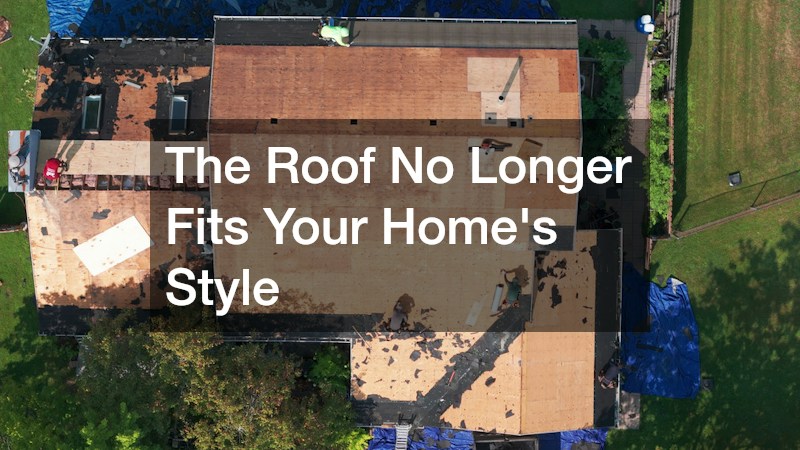
The Roof No Longer Fits Your Home’s Style
Architectural styles evolve, and homeowners sometimes update their properties over time without revisiting the roof. A roofing style that once matched the home’s appearance may feel outdated after new siding, windows, doors, landscaping, or other improvements have been introduced. Traditional homes, contemporary properties, cottages, and other architectural styles can each benefit from roofing materials that reinforce their character. For homes with distinctive architectural features, working with a slate roof contractor may be worth considering when natural slate is appropriate for the property’s design and structural requirements.
Your Roof Is Missing Important Finishing Details
Small roofing details can have a surprisingly large effect on the finished appearance of a home. Flashing, vents, gutters, edging, trim, and other components contribute to the roof’s overall visual presentation. When these elements are damaged, poorly matched, heavily weathered, or inconsistently installed, they can make the roof look unfinished. Coordinating these details with the home’s exterior can create a more cohesive appearance. If you are considering a new material or major renovation, discussing how the supporting components will look alongside the roofing material can help produce a more polished result.
The Roof Does Not Complement Your Landscaping
Curb appeal is created by the entire property rather than one feature in isolation. Your roof interacts visually with trees, shrubs, gardens, walkways, fencing, exterior lighting, and other landscape elements. A roof with a strong color or texture can influence how surrounding features are perceived. Conversely, overgrown trees or landscaping can obscure attractive roofing details and make the property appear less orderly. Considering the roof and landscape together can help create a more balanced exterior. Simple changes to surrounding elements may sometimes improve the overall presentation without requiring major roofing work.
Your Roof Shows Signs of Long-Term Age
Every roofing material has a service life, and an older roof may gradually show its age through fading, surface wear, damaged components, or inconsistent appearance. The exact lifespan depends on the material, installation quality, climate, maintenance, and exposure to the elements. If the roof is approaching the end of its expected service life and has several visible concerns, it may be time to discuss broader options. A roof replacement can address both functional and aesthetic issues at the same time, particularly when multiple areas are showing signs of deterioration.
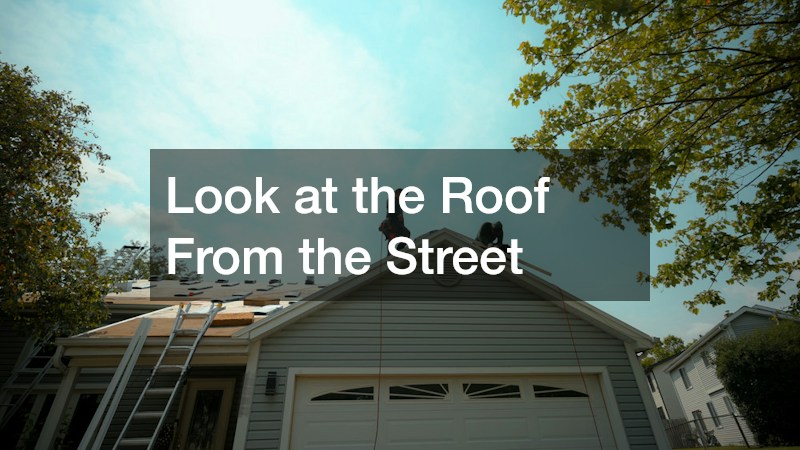
Look at the Roof From the Street
Homeowners often inspect their roofs from close range or from windows, but curb appeal is best judged from a distance. Step across the street or view photographs of the property to see how the roof looks as part of the entire exterior. From this perspective, color differences, uneven sections, stains, missing materials, and mismatched repairs may become much easier to notice. Looking at the home as a whole can also help you determine whether the roof is actually the main issue or whether other exterior elements are competing for attention.
Consider How the Roof Works With Exterior Colors
Your roof should ideally work with the other major colors on your home rather than competing with them. Siding, brick, stone, shutters, trim, doors, and landscaping all contribute to the property’s visual palette. Neutral roofing colors can provide flexibility, while more distinctive shades may create a stronger design statement. When selecting a new roofing color, consider both the current exterior and any improvements you expect to make in the future. Choosing a versatile color can make it easier to update other exterior features without creating an unwanted mismatch.
Think About Material Texture
Roofing materials contribute more than color alone. Texture, profile, pattern, and shadow can all influence how the roof looks from the street. Some materials create a smooth and uniform appearance, while others have greater variation and depth. The right texture depends on the architectural style and scale of the home. A roofing material that looks appealing on a sample board may appear very different when installed across an entire roof, so it is helpful to consider how the material will look across large areas and under different lighting conditions.
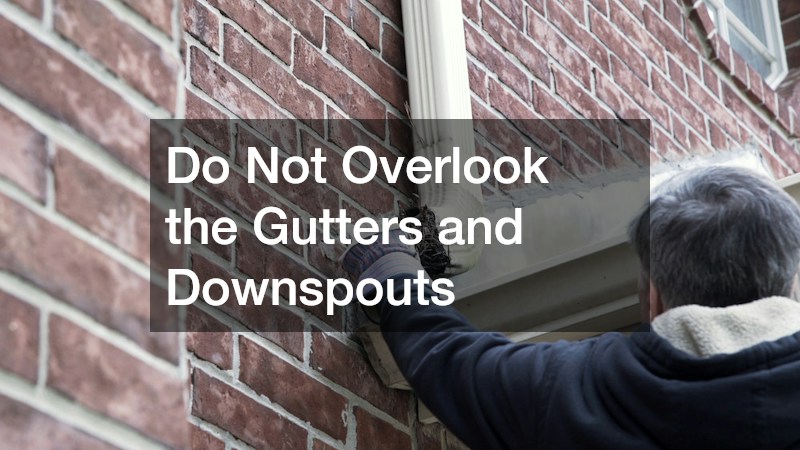
Do Not Overlook the Gutters and Downspouts
Gutters and downspouts are closely associated with the roof and can influence the appearance of the home’s exterior. Bent, rusted, overflowing, or poorly positioned gutters can make an otherwise well-maintained roof appear less polished. Downspouts that contrast sharply with the home’s exterior may also become more visually prominent than intended. When planning roofing improvements, consider how drainage components will coordinate with the roof, trim, siding, and other exterior details. A cohesive approach can make the entire roofline appear cleaner and more intentional.
Know When Cosmetic Concerns Point to Bigger Problems
Not every unattractive roofing issue is merely cosmetic. Curling shingles, sagging areas, missing materials, damaged flashing, and persistent staining can sometimes indicate problems that deserve professional attention. A roof repair service may be appropriate when the issue is localized and the rest of the roof remains in suitable condition. Addressing problems while they are relatively limited can help protect the roof and preserve the appearance of the home. Waiting until damage becomes widespread can potentially make both the repair and the visual restoration more complicated.
Consider the Bigger Picture Before Replacing Your Roof
If the roof is contributing significantly to the home’s appearance, replacing it may provide an opportunity to improve more than one problem at once. However, a major roofing project should be considered carefully. Look at the home’s architectural style, existing exterior materials, long-term maintenance preferences, and overall renovation plans. A roofing company can discuss material choices, color options, and design considerations based on the property’s existing features. Taking time to evaluate these factors can help ensure that a new roof enhances the home rather than simply replacing the old one.
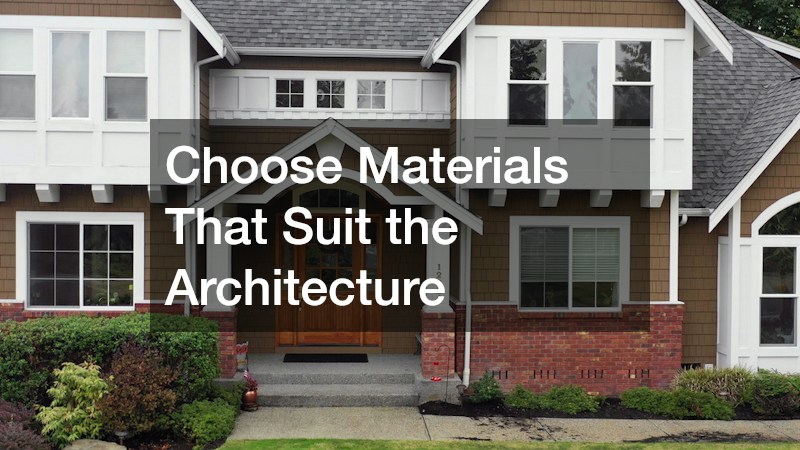
Choose Materials That Suit the Architecture
The right roofing material should complement the proportions and character of the home. Asphalt shingles offer a familiar appearance and come in numerous colors and profiles, while metal roofing can provide a clean contemporary or traditional look depending on the style selected. Tile and slate can create distinctive architectural character, but they also involve specific structural and installation considerations. If metal is being considered, speaking with a metal roof contractor can help homeowners understand the available profiles, finishes, and installation requirements. The objective is to select a material that works with the entire property rather than choosing one based solely on appearance.
Pay Attention to Installation Quality
Even attractive roofing materials can look disappointing when installation is inconsistent. Uneven lines, improperly aligned materials, visible gaps, poorly finished edges, or inconsistent detailing can affect the finished appearance. Quality roofing installation should address both performance and visual consistency. It is worth discussing how the installer will handle valleys, edges, penetrations, flashing, vents, and other details before work begins. A carefully executed installation can make the roof look like an intentional part of the home’s design instead of an afterthought.
Understand the Difference Between Repairs and Replacement
One of the most important decisions is determining whether the roof needs targeted repairs or more extensive work. If only a small area is damaged and the rest of the roof is in good condition, a repair may be sufficient. If there are widespread concerns, significant aging, recurring leaks, or extensive material deterioration, a larger project may make more sense. A residential roofer can evaluate the condition of the existing roof and explain the available options. Understanding the scope of the problem can help you avoid unnecessary work while also ensuring that significant issues are not overlooked.
Think About Your Home’s Long-Term Appearance
A roof is not something most homeowners want to change frequently, so it makes sense to think beyond current trends. Consider how the color and style will look several years from now and whether they will continue to complement future exterior improvements. Timeless designs from roofing companies can provide flexibility if you eventually change the siding, windows, doors, or landscaping. At the same time, there is no need to avoid distinctive choices if they genuinely suit the architecture of the home. The most successful roofing decisions typically consider both immediate visual appeal and long-term compatibility.
If your roof appears tired, damaged, outdated, or disconnected from the rest of the exterior, it may be time to take a closer look. Whether the solution involves maintenance, targeted repairs, or a larger renovation, thoughtful planning can help restore both function and visual appeal. A roof that complements your home’s architecture can become one of its strongest exterior features rather than something that detracts from the property.