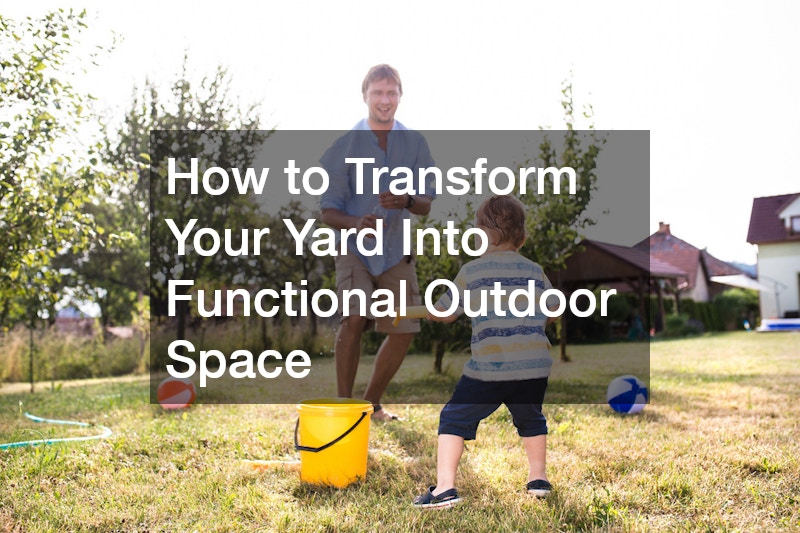
Most homeowners start with a yard that looks decent but doesn’t actually serve much purpose. Maybe it’s a patchy lawn, a few scattered plants, or a space that feels too awkward to use regularly. The shift from “just a yard” to a functional outdoor space begins with a mindset change: your yard should work for you.
Think of it as an extension of your home rather than a separate area. Instead of asking, “How do I make this look better?” ask, “How do I want to use this space every day?” That simple shift opens the door to better decisions.
Picture a typical weekend. Do you want a place to relax with coffee in the morning? A shaded spot for afternoon reading? Room for kids or pets to move freely? A space for entertaining guests? Each answer leads to a different kind of layout, and that’s where thoughtful planning begins.
A functional yard isn’t about perfection. It’s about usability, flow, and comfort. Once you start seeing it that way, every improvement you make will have a clear purpose.
Assessing Your Yard’s Current Limitations Before Planning
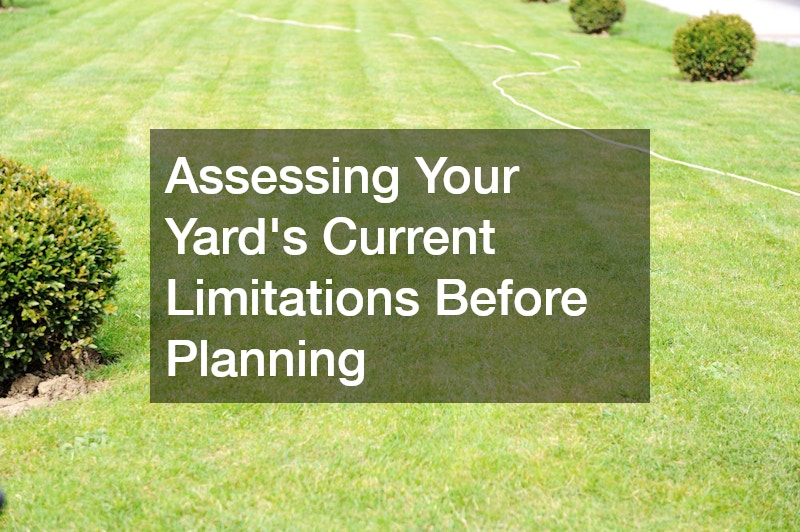
Before adding anything new, it’s worth taking a slow walk around your yard and observing it like a problem-solver. What looks like a simple cosmetic issue often has a deeper cause.
Start by identifying the obvious limitations:
- Areas where water collects after rain
- Spots where grass won’t grow
- Sloped or uneven ground
- Trees that block light or create clutter
- Cracks near the home’s exterior
These issues don’t just affect appearance—they directly impact how usable your yard is.
Sometimes, the problems go beyond surface-level fixes. For example, if your yard slopes toward your home or you notice cracks forming along your foundation, it may be worth consulting a structural engineer. They can assess whether grading or foundational adjustments are needed before you invest in improvements.
Trees also play a major role in how your yard functions. Overgrown roots, dense canopies, or poorly placed trees can limit sunlight, damage nearby structures, or make the space feel cramped. In these cases, working with a tree company can help you evaluate what should be preserved, reshaped, or removed.
This phase isn’t about making changes yet—it’s about understanding what’s holding your yard back so you don’t build on top of unresolved problems.
Fixing Drainage Problems to Protect Your Outdoor Investment
Water is one of the most common—and most overlooked—reasons a yard fails to function properly. You can invest in beautiful landscaping or seating areas, but if water isn’t managed correctly, those upgrades won’t last.
The signs are usually easy to spot once you know what to look for:
- Standing water that lingers for hours or days
- Soil erosion along slopes or pathways
- Soggy patches that never dry out
- Water pooling near your home’s foundation
Addressing these issues early can save you from much larger problems later.
In some cases, simple grading adjustments or redirecting downspouts can make a noticeable difference. But when water problems are persistent, installing proper yard drainage systems becomes essential. French drains, channel drains, and dry wells are all options depending on your layout.
Ignoring drainage doesn’t just affect your yard—it can impact your home. Water that consistently collects near your foundation can lead to structural concerns, including the need for wall crack repairs. What starts as a landscaping issue can quickly turn into a costly home repair.
Fixing drainage isn’t the most glamorous part of a yard makeover, but it’s one of the most important. Once water is under control, everything else becomes easier to maintain.
Clearing Space Strategically Without Over-Removing Greenery
It’s tempting to start fresh by clearing everything out, but that approach often creates more work and expense than necessary. The goal isn’t to remove as much as possible—it’s to remove what no longer serves the space.
Start by identifying trees or plants that are:
- Dead or diseased
- Leaning dangerously
- Blocking key areas of light or movement
- Too close to structures or utilities
In those cases, hiring a tree removal service ensures the job is done safely and without damaging surrounding areas.
For healthy trees, a lighter touch is often better. Strategic tree trimming can open up the space, improve sunlight, and make the yard feel more inviting without losing the natural character that trees provide.
There’s also a practical side to clearing. Removing obstacles creates room for pathways, seating areas, or garden beds. It allows you to shape the yard instead of working around limitations.
A good rule of thumb is to be clear with intention. Every removal should have a purpose—whether it’s improving safety, enhancing usability, or preparing for something new.
Creating Defined Zones for Everyday Outdoor Living
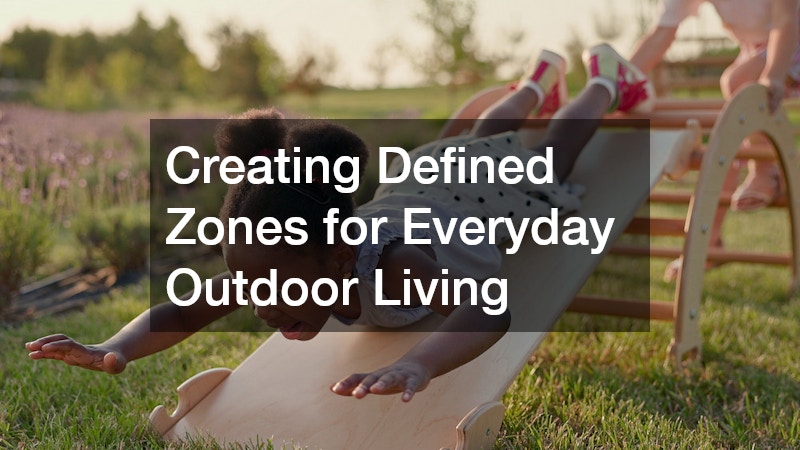
One of the biggest differences between a yard that looks nice and one that actually works is structure. Without defined zones, even a large yard can feel disorganized and underused.
Think of your yard as a series of small “rooms,” each with a purpose. You might have:
- A dining area for meals and gatherings
- A lounging space for relaxation
- A play area for kids or pets
- A garden section for plants or herbs
The key is to make each zone feel intentional without completely separating them.
Hardscaping plays an important role here. A simple patio or walkway can instantly create structure and improve how people move through the space. Working with a concrete contractor can help you design durable surfaces that anchor each area while keeping the layout cohesive.
Transitions between zones matter just as much as the zones themselves. Subtle changes in materials, elevation, or borders can guide movement naturally without making the yard feel segmented.
When done well, zoning transforms a yard from a single open space into a series of purposeful areas that support daily life.
Building a Strong Foundation With Durable Ground Cover
Once your layout is defined, the next step is choosing the right materials underfoot. Ground cover isn’t just about appearance—it affects maintenance, comfort, and longevity.
Grass is the default choice, but it’s not always the most practical. High-traffic areas, shaded spots, or regions with poor soil often struggle to support healthy lawns.
That’s where alternative materials come in. Gravel, stone, and organic options can offer more durability and less upkeep.
Using mulch in garden beds or around trees helps retain moisture, suppress weeds, and improve soil health over time. It’s a simple addition that makes a noticeable difference in both function and appearance.
If your yard previously had trees removed, you may also need stump grinding to create a smooth, usable surface. Leftover stumps can interfere with new installations and even become safety hazards if ignored.
The goal is to create a foundation that supports how you plan to use the space. When the ground itself is stable and practical, everything built on top of it performs better.
Upgrading Exterior Surfaces to Improve Comfort and Efficiency
Your yard doesn’t exist in isolation—it’s directly connected to your home. That means the condition of your home’s exterior plays a big role in how comfortable and functional your outdoor space feels.
Worn or outdated materials can affect everything from temperature regulation to visual appeal. For example, older siding may allow heat to escape in the winter or trap it in the summer, making adjacent outdoor areas less comfortable.
In these cases, siding replacement can improve insulation while also enhancing the overall look of your home. It’s one of those upgrades that benefits both indoor and outdoor living.
There’s also a structural side to consider. Cracks in exterior walls aren’t just cosmetic—they can signal deeper issues that affect stability. Addressing wall crack repairs early ensures that your home remains a solid anchor for the improvements happening around it.
When your home’s exterior is in good condition, it elevates the entire yard. The transition between indoor and outdoor spaces feels seamless, and the overall environment becomes more enjoyable.
Adding Functional Features That Support Daily Use

Once the foundation is set, this is where your yard really starts to come to life. Functional features turn open space into something you actively use.
Instead of adding features just because they look appealing, focus on how they fit into your routine. A large outdoor kitchen might sound impressive, but if you rarely cook outside, a smaller seating area with a grill may be more practical.
Consider features that align with everyday habits:
- A shaded seating area for relaxation
- A fire pit for cooler evenings
- A simple dining setup for outdoor meals
- Lighting that extends usability into the evening
Durability matters here. Surfaces and structures should be built to handle weather and regular use. This is where working with a concrete contractor can make a difference, especially for patios, walkways, and other foundational elements.
The best features are the ones you’ll actually use. When they’re designed with intention, they naturally become part of your daily life.
Designing for Low Maintenance and Long-Term Sustainability
A functional yard shouldn’t feel like a constant project. The goal is to create a space that’s easy to maintain without sacrificing quality.
This starts with smart material and plant choices. Native plants, for example, tend to require less water and care because they’re already adapted to the local environment.
Maintenance isn’t just about plants, though. Trees, in particular, require ongoing attention. Regular tree trimming helps maintain their health, prevents overgrowth, and reduces the risk of damage during storms.
It’s also helpful to have a long-term plan for upkeep. Partnering with a reliable tree company ensures that your yard stays in good condition without requiring constant oversight from you.
Small decisions made during the design phase—like spacing plants correctly or choosing durable materials—can significantly reduce maintenance over time.
A sustainable yard is one that continues to function well with minimal effort, allowing you to enjoy it rather than constantly work on it.
Ensuring Safety and Structural Stability Across Your Yard
Safety often gets overlooked in outdoor design, but it’s a critical part of creating a truly functional space.
Uneven ground, hidden roots, or poorly constructed features can all pose risks. Even something as simple as an old tree stump can become a tripping hazard if not properly addressed.
Removing these hazards early makes the yard safer and more comfortable to use. In cases where structural concerns are present—such as retaining walls or significant grading changes—it may be necessary to consult a structural engineer to ensure everything is stable and secure.
Addressing leftover stumps through stump grinding not only improves appearance but also eliminates potential safety issues.
Think of safety as the foundation of functionality. A yard that looks great but isn’t safe won’t be used as often. When everything is stable and secure, people naturally feel more comfortable spending time outdoors.
Bringing It All Together Into a Cohesive Outdoor Space
Transforming your yard into a functional outdoor space doesn’t happen all at once. It’s a process that builds over time, with each improvement adding to the overall usability and comfort of the space.
What matters most is that every decision serves a purpose. Whether it’s improving drainage, defining zones, or adding features, each step should contribute to how the space is used in real life.
When everything comes together, the result isn’t just a better-looking yard—it’s a space that feels like a natural extension of your home. A place where you can relax, gather, and enjoy everyday moments outdoors.
And that’s what makes the transformation worthwhile.
Over time, you’ll likely find yourself making small adjustments—moving furniture, adding plants, or refining how each area is used. That’s a good sign. A truly functional yard evolves with your needs rather than staying fixed. What starts as a simple seating area might grow into a favorite gathering spot, or a quiet corner could become your go-to place to unwind after a long day.
The key is to stay flexible while keeping the original purpose in mind. When your yard supports your lifestyle in a natural, effortless way, it becomes more than just an outdoor space—it becomes part of how you live every day.