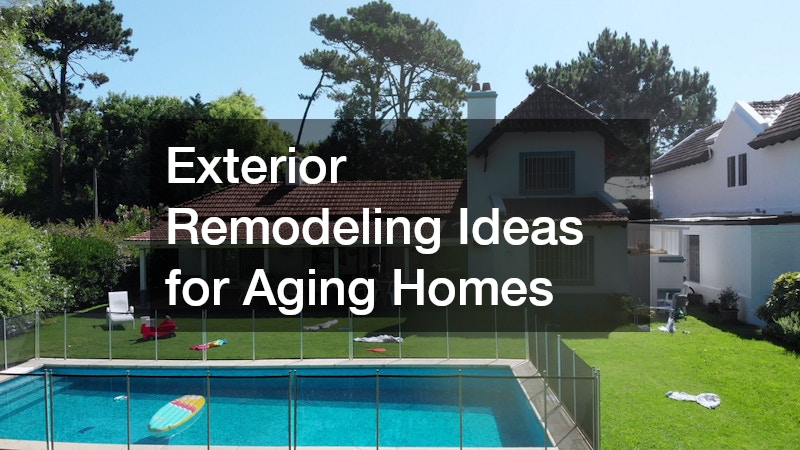
Homes age just like the people who live in them. Materials wear down, styles date themselves, and layouts that once worked beautifully can start to feel limiting or unsafe over time. Exterior remodeling plays a major role in helping older homes remain comfortable, functional, and visually appealing without sacrificing character. When approached thoughtfully, exterior updates can extend a home’s lifespan, improve safety, reduce maintenance demands, and boost property value.
Exterior remodeling for aging homes isn’t about chasing trends. It’s about making strategic improvements that respect the original structure while addressing modern needs. Whether the goal is to age in place, prepare a home for resale, or simply reduce ongoing upkeep, exterior upgrades can deliver meaningful long-term benefits. From roofing and siding improvements to outdoor living upgrades and accessibility-focused design, the outside of the home sets the tone for how well it performs over time.
The ideas below focus on practical, forward-thinking exterior remodeling solutions that help aging homes function better today and remain resilient for years to come.
Assessing the Exterior Condition of an Older Home
Before selecting materials or planning design changes, a full exterior assessment is essential. Aging homes often show visible signs of wear, but deeper issues can exist beneath the surface. Cracked foundations, settling walkways, rotting fascia boards, or outdated drainage systems can compromise safety and accelerate deterioration if left unaddressed.
A thorough evaluation looks at structural integrity, water management, material condition, and accessibility. Roofing, siding, windows, doors, decks, stairs, and landscaping should all be reviewed together rather than in isolation. This holistic approach prevents upgrades in one area from exposing weaknesses in another.
Many homeowners discover that minor cosmetic issues are symptoms of larger problems, such as moisture intrusion or improper grading. Addressing root causes early helps exterior remodeling efforts last longer and perform better.
Prioritizing Safety and Accessibility Outdoors
As homes age, outdoor areas can become harder to navigate. Steep steps, uneven walkways, poor lighting, and narrow entry points increase the risk of falls and injuries. Exterior remodeling offers an opportunity to improve safety without compromising aesthetics.
Walkways can be widened and leveled to accommodate mobility needs while still complementing the home’s architecture. Entryways benefit from sturdy handrails, slip-resistant surfaces, and improved lighting. Covered entries also protect against rain and snow, reducing hazards during bad weather.
Exterior doors should open smoothly, seal properly, and offer adequate clearance. Simple upgrades like lever handles instead of knobs can make daily use easier. Thoughtful accessibility improvements allow homeowners to remain comfortable in their space while maintaining curb appeal.
Updating Roofing Systems for Longevity and Performance
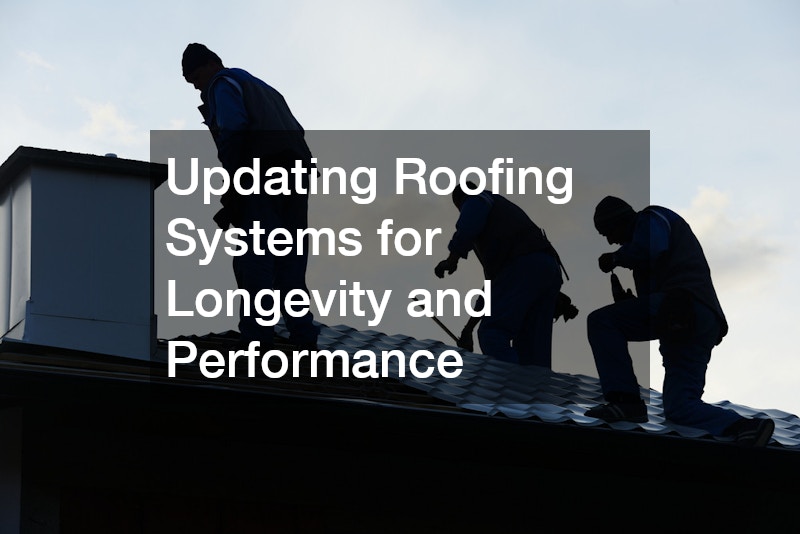
Roofing is one of the most critical exterior components of any aging home. Older roofs often lack modern materials that provide better insulation, weather resistance, and lifespan. Updating the roof improves both protection and energy performance while refreshing the home’s appearance.
Material selection plays a major role in long-term value. Some homeowners work with local roofers to evaluate options that balance durability, aesthetics, and climate performance. Architectural shingles, standing seam metal, and advanced underlayment systems can significantly outlast older roofing styles.
A well-planned roof upgrade also addresses ventilation and drainage. Proper airflow reduces moisture buildup in attics, while updated flashing and gutters prevent water damage to siding and foundations.
In some cases, a metal roofing company may be consulted to explore low-maintenance roofing options that resist weather extremes and require fewer repairs over time.
Improving Drainage and Water Management
Water is one of the biggest threats to aging homes. Poor drainage accelerates foundation issues, rots wood, and damages exterior finishes. Exterior remodeling should always consider how water moves around and away from the structure.
Updated gutters and downspouts help channel rainwater effectively. Some homeowners coordinate with gutter cleaning companies to assess whether existing systems are functioning properly or need replacement. Proper slope, secure attachments, and debris-resistant designs reduce ongoing maintenance demands.
Grading adjustments around the foundation prevent pooling, while extended downspouts or underground drainage systems move water safely away from the home. These improvements often go unnoticed visually but play a vital role in protecting long-term structural integrity.
Siding Upgrades That Reduce Maintenance
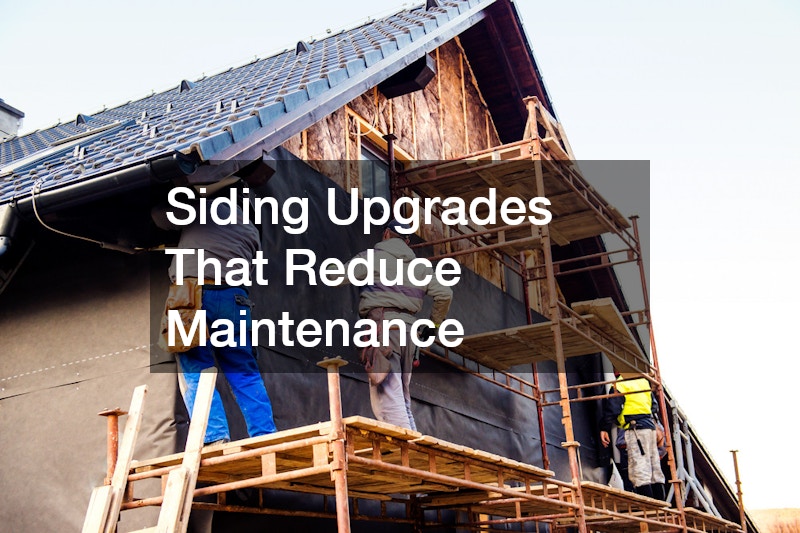
Siding takes constant exposure from sun, wind, moisture, and temperature changes. Aging siding materials may crack, fade, or absorb moisture, leading to frequent repairs. Replacing or upgrading siding can dramatically reduce maintenance while modernizing the home’s exterior.
Fiber cement, engineered wood, and high-quality vinyl offer improved durability compared to older materials. These options resist pests, moisture, and warping while retaining a classic look suitable for older homes.
Color selection matters as well. Lighter tones reflect heat and reduce fading, while neutral palettes maintain timeless appeal. Exterior remodeling focused on siding balances performance with visual harmony, preserving character while extending lifespan.
Window and Door Replacements for Comfort and Efficiency
Windows and doors play a dual role in aesthetics and performance. Aging homes often have single-pane windows or poorly sealed frames that allow drafts and moisture intrusion. Exterior remodeling that includes updated windows improves comfort, reduces energy loss, and enhances visual symmetry.
Modern window designs can match traditional architectural styles while offering better insulation and UV protection. Replacing exterior doors improves security and usability while providing an opportunity to update finishes and hardware.
Thoughtful placement of windows also enhances natural light and sightlines, making interior spaces feel more connected to outdoor areas.
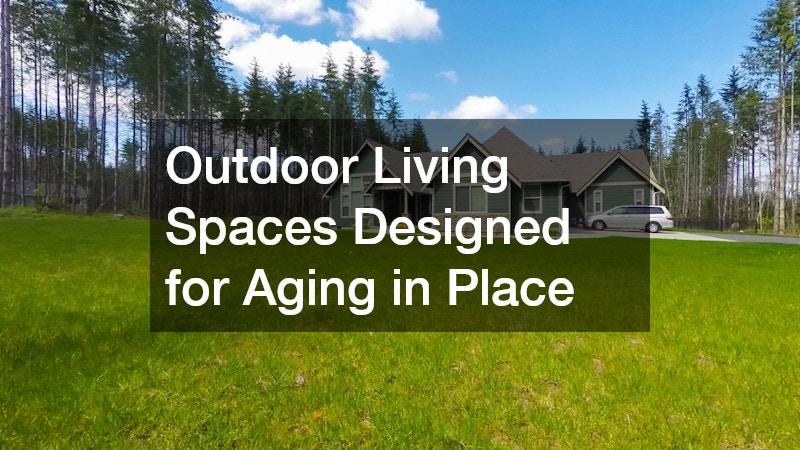
Outdoor Living Spaces Designed for Aging in Place
Outdoor living areas are often underutilized in aging homes due to safety concerns or outdated layouts. Remodeling these spaces allows homeowners to enjoy their yards comfortably and safely.
Decks, patios, and porches benefit from stable surfaces, proper railings, and comfortable transitions from interior spaces. Homeowners may collaborate with a deck company to redesign aging decks using composite materials that resist rot and splintering.
Low-profile thresholds and covered areas provide shade and weather protection, encouraging regular outdoor use. Thoughtfully designed outdoor spaces support relaxation, social interaction, and quality of life.
Hardscaping for Stability and Low Maintenance
Hardscaping plays a crucial role in exterior remodeling for aging homes. Stone walkways, retaining walls, and patios create stable surfaces that require less upkeep than traditional landscaping.
Working with providers of hardscaping services allows homeowners to replace uneven paths and eroding slopes with durable, level surfaces. These features improve accessibility while enhancing visual structure in the yard.
Proper installation also improves drainage and prevents soil movement that can impact foundations and walkways. Hardscaping provides both functional and aesthetic value that stands the test of time.
Landscaping Adjustments for Simplicity and Safety
Landscaping should evolve alongside the home. Mature trees, overgrown shrubs, and high-maintenance gardens can become difficult to manage and even hazardous. Exterior remodeling often includes simplifying landscape designs to reduce upkeep while maintaining curb appeal.
Strategic tree trimming improves safety by removing overhanging branches and improving visibility around walkways and entrances. Selecting plants that require less watering and pruning reduces ongoing labor.
Some homeowners consult a garden center to choose native or drought-tolerant plants that thrive with minimal intervention. These selections support long-term sustainability and visual consistency.
Pool Area Updates for Aging Homes
Homes with pools face unique challenges as they age. Older pool designs may lack modern safety features or require intensive maintenance. Exterior remodeling provides an opportunity to update pool areas for usability and compliance.
Homeowners may coordinate with a pool company to assess fencing, decking, and access points. Slip-resistant surfaces, secure gates, and improved lighting enhance safety for all users.
In some cases, new pool construction services are explored to replace outdated designs with more accessible layouts that integrate seamlessly with the surrounding landscape.
Exterior Paint and Finish Improvements
Paint and finishes do more than enhance appearance. They protect surfaces from moisture, pests, and UV exposure. Aging homes often suffer from peeling paint or weathered finishes that expose underlying materials.
Exterior remodeling includes selecting high-quality paints and coatings designed for longevity. Proper surface preparation and color choice play a significant role in how long finishes last.
Neutral, classic palettes maintain resale appeal while accent colors highlight architectural details. Updated finishes refresh the home’s appearance without requiring major structural changes.
Enhancing Entryways for Function and Appeal
The entryway is both a functional transition and a design focal point. Aging homes benefit from exterior remodeling that improves entry safety, weather protection, and visual clarity.
Wider steps, better lighting, and sturdy handrails make entrances easier to use. Covered porches protect doors and reduce wear while creating welcoming outdoor spaces.
Door replacements, updated trim, and refreshed lighting fixtures modernize the exterior while respecting original architectural style.
Exterior Lighting for Safety and Visibility
Lighting often becomes inadequate as homes age. Exterior remodeling should address pathway lighting, entry illumination, and overall visibility.
Well-placed lighting reduces fall risk, deters unwanted activity, and improves nighttime usability. LED fixtures provide energy efficiency and long lifespan, minimizing maintenance.
Motion-activated lights and soft landscape lighting enhance both safety and ambiance without overwhelming the exterior design.
Fencing and Boundary Improvements
Fences define property lines and support privacy and safety. Aging fences may lean, rot, or fail to meet current needs. Exterior remodeling allows homeowners to update fencing materials and layouts.
Modern fencing options offer durability with minimal upkeep. Proper placement improves navigation and visibility while maintaining visual openness where appropriate.
Fence updates also integrate with landscaping and hardscaping to create cohesive outdoor spaces.
Coordinating Multiple Exterior Improvements
Exterior remodeling is most effective when planned as a coordinated effort. Addressing roofing, siding, drainage, and landscaping together reduces disruption and improves overall results.
Some homeowners explore comprehensive remodeling services that manage multiple aspects of the project under a unified plan. This approach helps align timelines, budgets, and design choices while reducing conflicts between upgrades.
Coordinated remodeling also allows homeowners to prioritize projects based on urgency and long-term value.
Preserving Character While Modernizing
One of the biggest concerns when remodeling aging homes is preserving character. Exterior updates should respect original proportions, materials, and design language whenever possible. Older homes often have defining architectural details—such as trim profiles, rooflines, masonry patterns, or window spacing—that give them personality and historical value. Successful exterior remodeling works with these elements rather than against them.
Modern materials can be selected to closely mimic traditional appearances while offering improved performance. For example, contemporary siding products replicate the texture and dimensions of wood while resisting moisture and pests. Roofing materials now come in styles that match historic aesthetics but provide greater durability and weather resistance. These upgrades allow homeowners to modernize without losing the visual cues that make an aging home feel authentic.
Subtle updates tend to be more effective than dramatic overhauls. Refinishing existing features, restoring original details, or updating color palettes within the home’s historical context helps maintain cohesion. Even small changes, such as updating exterior lighting fixtures to designs inspired by the home’s era, can reinforce character while improving functionality.
The goal is not to erase history but to strengthen it. Exterior remodeling should enhance how the home performs while allowing it to continue telling its story in a functional, resilient way. When modernization is guided by respect for the home’s origins, the result feels intentional rather than forced.
Planning for Long-Term Maintenance Reduction
Exterior remodeling for aging homes should always consider future upkeep. Over time, frequent repairs and seasonal maintenance can become costly, time-consuming, and physically demanding. Choosing materials and designs that reduce ongoing maintenance helps homeowners enjoy their property without constant intervention.
Durable roofing systems, low-maintenance siding, simplified landscaping, and efficient drainage solutions all contribute to easier ownership. Composite materials resist rot and warping, modern coatings reduce repainting cycles, and improved water management limits damage caused by moisture intrusion. These choices minimize routine tasks while extending the lifespan of exterior components.
Design decisions also affect maintenance demands. Simplifying rooflines, reducing hard-to-reach areas, and selecting finishes that hide dirt or wear can make a noticeable difference over time. Even thoughtful placement of outdoor features—such as avoiding dense plantings near foundations—helps reduce future issues.
Thoughtful planning balances upfront investment with reduced future demands. While low-maintenance materials may cost more initially, they often deliver long-term value through fewer repairs, lower replacement frequency, and less hands-on care. Exterior remodeling that prioritizes longevity supports comfort, predictability, and peace of mind as homes continue to age.
Adapting Outdoor Spaces to Changing Lifestyles
As homeowners’ needs change, exterior spaces should adapt accordingly. Outdoor areas that once centered on entertaining may gradually shift toward comfort, accessibility, and relaxation. Exterior remodeling provides an opportunity to realign these spaces with how they’re actually used.
Patios and porches can be reconfigured to support quieter activities, such as reading, gardening, or enjoying morning coffee. Adding shade structures, wind protection, or softer lighting makes outdoor spaces usable throughout more of the day and across seasons. Pathways can be adjusted to improve flow and reduce obstacles, supporting ease of movement.
Comfortable seating areas, accessible surfaces, and gradual transitions between indoor and outdoor spaces help exterior environments feel welcoming rather than demanding. Remodeling allows homeowners to remove underused features and replace them with elements that better suit daily routines.
Well-designed exteriors support evolving lifestyles without requiring major structural changes. Flexible layouts, durable materials, and intentional design choices allow outdoor spaces to remain relevant as needs continue to shift. When exterior areas evolve alongside the people who use them, the home feels supportive rather than restrictive over time.
Exterior remodeling is one of the most impactful ways to extend the life, safety, and comfort of aging homes. By focusing on durability, accessibility, and thoughtful design, homeowners can make meaningful improvements that respect the past while preparing for the future.
Each upgrade, whether structural or aesthetic, contributes to a more resilient and enjoyable living environment. When approached strategically, exterior remodeling transforms aging homes into spaces that remain functional, beautiful, and welcoming for years to come.