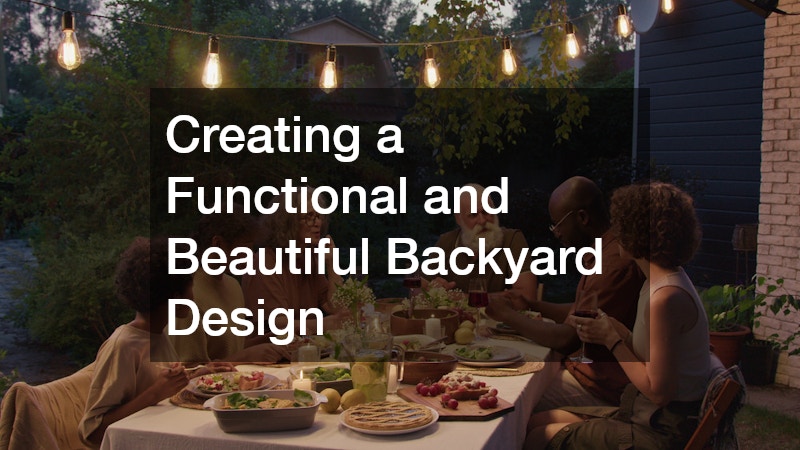
Creating a Functional and Beautiful Backyard Design
A well-designed backyard does more than look good in photos — it supports your lifestyle, increases your home’s value, and creates space for connection, relaxation, and everyday enjoyment. It becomes the setting for birthday parties, quiet morning coffee, summer barbecues, and late-night conversations around a fire pit. When thoughtfully planned, your outdoor space works just as hard as any room inside your home.
Functionality means the layout makes sense. Paths lead naturally from one area to another. Seating is positioned where people actually want to gather. Shade exists where the sun is strongest. Storage is close to where tools are used. Drainage prevents soggy lawns and muddy walkways. Lighting improves both ambiance and safety. Every decision supports how you live.
Beauty, on the other hand, comes from cohesion. Materials complement each other. Plantings soften hard edges. Structures match your home’s architectural style. Proportions feel balanced rather than cramped or oversized. When function and beauty are designed together — not separately — the space feels effortless.
The key to getting it right isn’t choosing the prettiest materials or copying a Pinterest board. Inspiration is helpful, but blindly replicating a design without considering your yard’s slope, climate, or daily routines leads to frustration. A stunning stone layout might look incredible online, but if it traps water against your foundation or overheats in full sun, it becomes a costly mistake.
Instead, focus on building a space that works.
Ask practical questions before aesthetic ones:
- Where will people walk most often?
- Where does water naturally flow during heavy rain?
- Which areas receive harsh afternoon sun?
- Where do you need privacy from neighbors?
- What will require regular maintenance?
Answering these questions first creates a strong framework. Once that foundation is in place, style choices become easier and more successful.
Many homeowners jump straight into surface upgrades — a patio here, a fence there — without thinking about how everything connects. The result? A yard that feels disjointed, drains poorly, lacks storage, or requires constant maintenance.
A disconnected approach often leads to:
- Materials that clash visually
- Uneven transitions between spaces
- Overcrowded layouts
- Awkward traffic flow
- Wasted square footage
- Higher long-term repair costs
A backyard should feel intentional — like each element belongs exactly where it is. That only happens when you step back and view the yard as a complete system rather than a collection of projects.
This guide walks you through how to design a backyard that is both functional and beautiful, step by step, so you can avoid expensive mistakes and build something that truly lasts. You’ll learn how to prioritize foundational work, create purposeful zones, choose materials strategically, and sequence improvements logically.
By approaching your backyard as a long-term investment instead of a weekend upgrade, you create more than a visually appealing space. You build an outdoor environment that supports your daily routines, adapts to changing needs, and maintains its value for years to come.
Start With a Master Plan Before You Build Anything

A backyard should never be approached as a series of random projects. Even if you plan to phase improvements over several years, everything should stem from one cohesive vision.
If you’re already considering a broader exterior home renovation, your backyard should align with that vision. Rooflines, siding color, architectural style, and even window placement all influence how outdoor spaces should be designed.
Evaluate Your Yard’s Current Conditions
Before designing anything, assess:
- Sun patterns throughout the day
- Natural drainage and low spots
- Soil type and stability
- Existing trees and root systems
- Property lines and easements
- Views you want to highlight — or hide
Take photos from multiple angles and sketch a rough layout. Measure your lot dimensions and note obstacles like HVAC units or utility boxes.
Define How You Want to Use the Space
Ask yourself:
- Do you entertain frequently?
- Do you need space for kids or pets?
- Is low maintenance a priority?
- Do you want a quiet retreat or a social gathering area?
- Do you need storage for tools or equipment?
Create “zones” for each purpose. A well-planned yard might include:
- Dining area
- Lounge space
- Play area
- Garden beds
- Storage zone
- Utility area
Even if you’re tackling projects in phases, having this roadmap ensures your exterior home renovation efforts feel cohesive over time.
Address Grading and Drainage Issues First
Nothing ruins a backyard faster than poor drainage. Standing water kills grass, cracks foundations, and damages hardscapes. Before installing anything permanent, correct grading issues.
This is where professional dirt work often becomes essential.
Signs Your Yard Needs Regrading
- Water is pooling near the foundation
- Soggy areas days after rainfall
- Erosion around walkways
- Cracking in patios or driveways
- Basement moisture problems
Why Grading Comes First
Hardscapes and structures must sit on stable, properly compacted soil. Without it:
- Patios shift
- Deck posts settle unevenly
- Fences lean
- Water flows toward your home
Professional dirt work may include:
- Excavation
- Soil replacement
- Compaction
- Creating a proper slope away from structures
- Installing drainage systems
This stage isn’t glamorous — but it protects every investment that follows.
Define Outdoor Living Areas With Hardscapes
Hardscapes anchor your design. They create clean lines, reduce mud, and define how people move through the space.
Patios are often the foundation of an outdoor living area. The key is sizing and positioning them correctly.
Choosing Materials Wisely
Each material has pros and cons:
- Concrete: affordable and durable
- Stamped concrete: decorative, but may crack
- Pavers: flexible and repairable
- Natural stone: high-end appearance
- Gravel: budget-friendly but less stable
Sizing for Function
Avoid the common mistake of building too small.
- Dining patio: at least 12′ x 14′
- Lounge patio: 16′ x 16′ or larger
- Fire pit area: allow 3 feet clearance around seating
Placement Tips
- Place patios where shade is available in late afternoon.
- Consider proximity to kitchen access.
- Avoid low areas prone to flooding.
- Frame views rather than blocking them.
When patios are thoughtfully placed, they feel like an extension of your indoor space.
Add Elevation and Versatility With Custom Decking
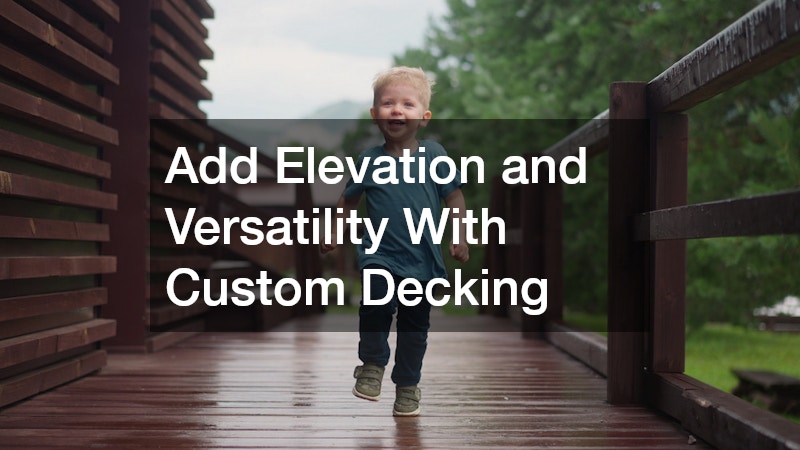
Sometimes the yard’s terrain or layout makes decking a better solution than ground-level surfaces. Elevated structures work especially well on sloped lots.
Working with experienced deck builders ensures structural integrity and proper permits.
When a Deck Is the Better Choice
- Uneven or sloped yard
- Desire for elevated views
- Connecting second-story doors
- Creating multi-level entertaining areas
Material Considerations
- Pressure-treated lumber: lower cost, higher maintenance
- Composite: long-lasting, minimal upkeep
- Hardwood: premium look, higher cost
Design Ideas for Maximum Impact
- Multi-level layouts
- Built-in bench seating
- Integrated lighting in railings
- Wide staircases for visual flow
- Privacy screens incorporated into railings
Ask deck builders about:
- Footing depth
- Load capacity
- Warranty on materials
- Drainage under elevated surfaces
A well-built deck can become the centerpiece of your backyard design.
Plan Smart Roofing and Covered Areas
Shade transforms usability. Without protection from the sun or rain, even beautiful spaces go unused during extreme weather.
If you’re tying a new structure into your home, consult a local residential roofer to ensure proper flashing and integration.
Types of Covered Structures
- Pergolas (partial shade)
- Solid patio covers
- Extended rooflines
- Gazebos
- Retractable awnings
Important Design Considerations
- Match the roof pitch to your home.
- Use materials that complement existing architecture.
- Plan for water runoff.
- Consider ceiling fans for airflow.
A local residential roofer can help ensure:
- Structural load is properly supported
- Water does not pool
- Shingles or metal panels match your home
- Ventilation prevents moisture buildup
Covered areas extend usability through multiple seasons and elevate overall design.
Design for Privacy Without Blocking Beauty
Privacy is essential — but it shouldn’t feel like you’re building a fortress.
Fence companies can help balance security, aesthetics, and local regulations.
Fence Material Options
- Wood (traditional, warm)
- Vinyl (low maintenance)
- Aluminum (decorative, open feel)
- Composite (durable, modern)
- Horizontal slat designs (contemporary look)
Tips for Smart Privacy Design
- Layer fencing with landscaping.
- Vary heights strategically.
- Avoid fully enclosing small yards with tall barriers.
- Use decorative panels as accents.
When working with fence companies, discuss:
- Property line verification
- HOA restrictions
- Permit requirements
- Wind load considerations
A fence should enhance your backyard’s character — not overpower it.
Create a Focal Point With a Pool or Water Feature
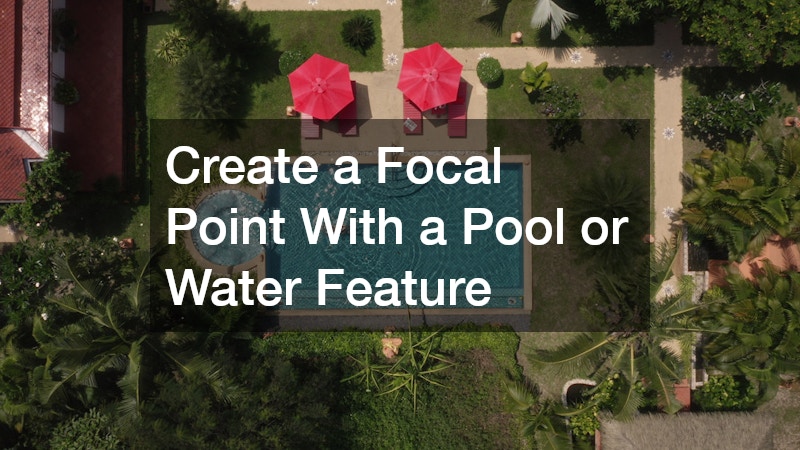
A central feature brings structure and visual impact to your backyard. For many homeowners, that’s a swimming pool.
Before committing, consult a pool contractor to evaluate space, drainage, and code requirements.
Questions to Ask Before Installing a Pool
- Is there adequate yard space?
- How will it affect property value?
- What are long-term maintenance costs?
- Is fencing required by code?
- How will drainage be managed?
Design Integration Tips
- Leave ample walking space around the pool.
- Use slip-resistant surfaces.
- Add lighting for safety and ambiance.
- Position seating areas nearby.
- Coordinate landscaping for visual softness.
A reputable pool contractor can guide decisions about:
- In-ground vs. above-ground
- Concrete vs. fiberglass
- Heating systems
- Automation features
If a full pool isn’t feasible, consider:
- Plunge pools
- Water walls
- Fountains
- Reflecting basins
Water features naturally draw the eye and create a calming atmosphere.
Incorporate Practical Storage Without Sacrificing Style
Clutter undermines even the most beautiful design. Lawn equipment, pool accessories, and gardening tools need designated homes.
Working with an outdoor shed builder allows you to create storage that matches your home’s aesthetic.
Choosing the Right Storage Solution
Options include:
- Custom-built sheds
- Pre-fabricated units
- Built-in deck storage
- Bench seating with hidden compartments
- Vertical wall storage systems
An outdoor shed builder can customize:
- Roof pitch to match your home
- Siding materials
- Window placement
- Double doors for mower access
Smart Outdoor Storage Planning
- Position storage out of primary sightlines.
- Allow adequate access paths.
- Ventilate to prevent moisture damage.
- Install shelving for vertical efficiency.
- Use labeled bins for organization.
Intentional outdoor storage keeps your backyard looking clean and intentional.
Use Strategic Landscaping to Soften and Elevate the Space
Hardscapes provide structure — landscaping provides life.
Local landscapers understand soil conditions, climate, and native plant options that thrive in your region.
Layering for Depth and Dimension
Use three tiers:
- Tall elements (trees)
- Mid-height shrubs
- Groundcover or flowers
Choose Plants Wisely
- Opt for native species when possible.
- Consider maintenance requirements.
- Plan for seasonal color variation.
- Mix evergreen and deciduous plants.
Local landscapers can assist with:
- Irrigation design
- Soil amendments
- Drainage solutions
- Lighting integration
- Long-term maintenance plans
Add Lighting for Dramatic Effect
- Path lights for safety
- Uplighting for trees
- Accent lights for architectural features
- String lighting for ambiance
Thoughtful landscaping turns a functional yard into a polished retreat.
Phase Your Project for Budget and Efficiency

Few homeowners complete a full backyard transformation at once. Phasing projects strategically prevents rework and budget strain.
If your backyard is part of a larger exterior home renovation, coordination becomes even more important.
Recommended Order of Projects
- Grading and drainage
- Major structural work
- Hardscapes
- Covered structures
- Pool installation
- Fencing
- Landscaping
- Storage structures
Tips for Staying on Budget
- Get multiple quotes.
- Prioritize foundational work.
- Avoid changing designs mid-project.
- Plan utilities before pouring concrete.
- Set aside 10–20% contingency funds.
Coordinating contractors carefully ensures one professional’s work doesn’t interfere with another’s.
A phased exterior home renovation approach allows you to build intentionally rather than impulsively.
Conclusion
A functional and beautiful backyard doesn’t happen by accident. It requires thoughtful planning, careful sequencing, and attention to both structure and style. Every decision should be made with both the present and the future in mind, because outdoor spaces experience constant exposure to weather, seasonal change, and daily wear.
Structure is the backbone of your yard. This includes the way the ground is shaped, where walking paths are placed, how water is directed during storms, and how people naturally move through the space. If structural components are weak or poorly planned, even the most attractive surfaces will eventually show problems. Cracking hardscapes, sinking walkways, and erosion around plant beds are often signs that the structure was treated as an afterthought rather than a priority.
Style adds personality and comfort to the space. It is reflected in material selection, plant variety, lighting design, and architectural harmony with the home itself. Style should never overpower function. Instead, it should enhance usability while making the yard feel welcoming and visually complete. Subtle design decisions, such as repeating textures or maintaining a consistent color palette, help create visual continuity throughout the yard.
Careful sequencing is one of the most overlooked parts of backyard design. Outdoor projects should follow a logical order so that later work does not damage or require redoing earlier installations. For example, ground preparation must happen before permanent surfaces are installed because improper soil compaction can cause shifting and cracking over time. Utility lines, irrigation systems, and drainage infrastructure should also be addressed early in the process to avoid expensive modifications later.
Maintenance considerations should influence every design choice. High-maintenance features may look appealing initially, but can become burdensome over time. Selecting durable materials, choosing native or climate-appropriate plants, and designing spaces that are easy to clean can significantly reduce long-term labor and repair costs. The goal is not to eliminate maintenance entirely but to make upkeep manageable and predictable.
Lighting also plays a major role in how the space feels after sunset. Proper illumination improves safety while extending the usable hours of outdoor living. Instead of relying on a single bright light source, layered lighting creates depth and atmosphere. Soft accent lighting along pathways, around gathering areas, and near structural features helps maintain visibility without sacrificing ambiance.
Take the time to build it right. The payoff is years of enjoyment, fewer maintenance headaches, and a space that feels intentionally designed from the ground up. Rushing the process often leads to compromises that seem small initially but compound into costly problems later. Thoughtful backyard construction is an investment in comfort, property value, and long-term satisfaction.