Refreshing your home’s exterior isn’t just about boosting appearance—it’s about creating a space that feels cohesive, functional, and reflective of how you actually live. Hardscaping plays a leading role in that transformation, but roofing updates, thoughtful use of local patio pavers, and well-designed property boundaries like aluminum fences all contribute to the bigger visual story. Whether you’re planning a full outdoor renovation or exploring smaller upgrades, understanding how these components interact helps you get more from the investment.
Today’s homeowners are increasingly aware of curb appeal as both a lifestyle and financial consideration. Landscape designers are seeing more requests for projects that merge low-maintenance beauty with practical improvements, like improved drainage, stronger surfaces, and modern structural elements. Hardscaping ties all of this together, giving your yard form and structure, while roofing improvements add a refreshed architectural presence. Even smaller details—like the right landscape mulch or timely asphalt repair—can shift how polished your property looks from the street.
What Is Hardscaping And Why Is It Important?
Definition and Components of Hardscaping
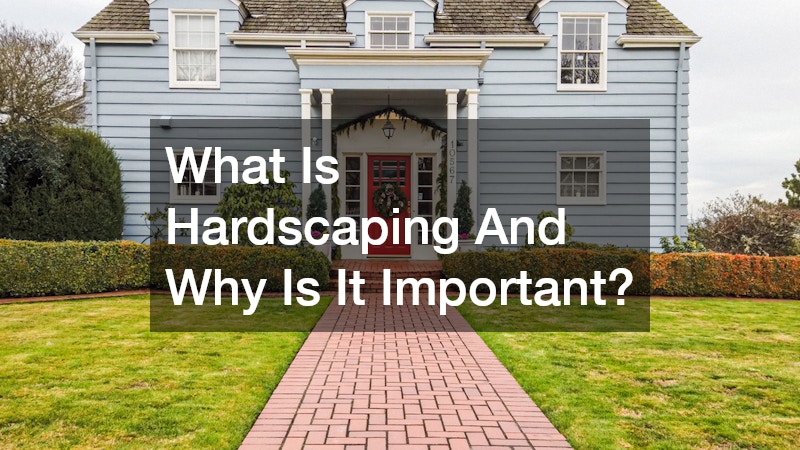
Hardscaping includes all the non-plant elements that bring structure and definition to an outdoor space. Patios, retaining walls, walkways, fire pits, steps, and edging materials all fall under this umbrella, and each one serves a functional purpose while adding visual interest. Homeowners rely on hardscaping to create usable areas where they can gather, entertain, or simply enjoy the surroundings without worrying about constant maintenance. Because hardscaping establishes the “bones” of the yard, it gives landscape designers a strong foundation to build around, allowing them to add greenery that complements rather than competes with the structural features.
Benefits of Incorporating Hardscaping
Incorporating hardscaping into your property brings both immediate and long-term benefits. Functionally, it creates spaces you can use year-round—outdoor seating areas, walkways that keep feet dry, or sturdy retaining walls that manage slopes. Aesthetic upgrades are equally powerful; hardscaping adds texture, shape, and definition that landscaping alone can’t achieve. When combined with landscape mulch, planted borders, and features like aluminum fences, the visual appeal becomes even more pronounced, as each element supports the other.
Hardscaping also improves drainage control, allowing water to move away from the home more effectively. This reduces pressure on roofing and foundation systems and minimizes the likelihood of needing frequent roof repairs down the line. Because many hardscaping materials are low maintenance, they provide long-lasting value without constant upkeep. Whether you’re pairing hardscaping with asphalt repair in the driveway or updating paver walkways for smoother movement through your property, the improvements create a landscape that feels intentional, finished, and easy to live with. Hardscaping continues to gain popularity because homeowners appreciate its ability to blend beauty with practicality.
How Can Roofing Impact Your Home’s Aesthetic?
Types of Roofing Materials
Roofing has a huge effect on curb appeal, sometimes even more than homeowners realize. Because the roof covers such a large visual area, roofers often describe it as the “fifth façade” of the home. Materials like asphalt shingles, metal roofing, tile, and composite options each provide their own style and level of durability. Asphalt shingles remain the most widely chosen option thanks to their affordability and variety of colors, but metal roofs have surged in popularity for homeowners seeking a sleek, modern look paired with longevity. Tile roofs offer timeless, classic charm that pairs well with stucco, stonework, or homes designed with Mediterranean influences.
Color and Style Choices
Color and style decisions shape how well the roof ties into the rest of the exterior. Neutral roof colors like charcoal, slate gray, and light brown remain popular because they blend well with a wide range of siding and hardscaping choices. However, modern trends have pushed some homeowners toward bolder colors or distinctive architectural shingles with dimensional appeal. These style choices can amplify the character of the home, making features like aluminum fences, landscape mulch beds, and local patio pavers feel more connected.
The roof’s texture also influences aesthetic impact. Architectural shingles create depth, while metal roofs provide a smooth, continuous appearance that complements contemporary hardscaping designs. When homeowners coordinate roofing upgrades with other exterior improvements—such as repairing pathways, updating porches, or planning new hardscaping layouts—the overall transformation feels cohesive instead of piecemeal. Roof color also affects how shadows and light play across the front of the home, which landscape designers often consider when planning plant placement or accent lighting.
What Are Pavers And Their Benefits?

Types of Pavers Available
Pavers come in a wide variety of materials, each offering a different look and level of durability. Concrete pavers remain a popular choice due to their affordability and versatility, available in countless colors, sizes, and textures. Brick pavers appeal to homeowners who love a traditional, warm appearance, and they work well alongside historic homes or properties with classic architectural elements. Natural stone pavers—like slate, bluestone, or travertine—deliver a high-end finish with organic variation that makes every installation feel unique.
Whether installed by local patio pavers or as part of a larger design planned by professional landscape designers, pavers adapt well to patios, walkways, pool decks, or garden paths. They complement hardscaping features beautifully because they introduce pattern, rhythm, and texture into the landscape. Pavers also pair well with complementary improvements like aluminum fences, fresh landscape mulch borders, and even driveway asphalt repair to create a unified exterior aesthetic. With so many materials to choose from, homeowners can customize the look to suit their taste and the architectural style of the home.
Advantages Of Using Pavers In Landscaping
Pavers are cherished not only for their beauty but also for their practical advantages. They offer impressive durability under foot traffic and weather conditions, resisting cracks more effectively than poured concrete. If a section becomes damaged, individual pavers can be replaced without disturbing the entire surface, making them a cost-effective long-term solution. The design flexibility is another major appeal—pavers can be arranged in countless layouts, from simple patterns to intricate designs that enhance the character of outdoor spaces.
Maintenance is straightforward, especially when homeowners incorporate simple routines like cleaning, occasional resealing, and adding fresh landscape mulch to nearby planting beds. Pavers also contribute to improved drainage because the small gaps between pieces allow water to pass through or move across the surface more naturally. When integrated into a hardscaping plan, they support the structure of outdoor environments, helping reduce erosion and the need for constant lawn upkeep. By complementing updates like house siding replacement services or timely roof repairs, pavers help complete a clean, refreshed exterior look that boosts curb appeal and functionality at the same time.
How Does Hardscaping Improve Property Value?
Market Trends In Outdoor Home Improvement
Hardscaping continues to gain traction in real estate markets because buyers increasingly value low-maintenance outdoor spaces that feel like extensions of the home. Patios, walkways, and retaining walls offer year-round function and appeal, making properties feel more complete and move-in ready. Market data shows that homes featuring professionally installed hardscaping often stand out against comparable listings, especially when paired with well-chosen landscape mulch, attractive aluminum fences, or clean driveway surfaces maintained through asphalt repair. These upgrades signal to buyers that the property has been well cared for.
Potential Return On Investment (ROI)
Hardscaping often delivers an impressive return on investment because it adds both function and visual appeal. Features like paver patios, well-structured retaining walls, or improved pathways create usable square footage outdoors, which buyers treat almost like an extension of indoor living space. When homeowners pair hardscaping with complementary improvements—like house siding replacement services, roof repairs, or updated aluminum fences—the overall effect increases perceived value even more.
ROI depends on materials, design, and how well the hardscaping integrates with the rest of the property. Projects that balance aesthetics with durability tend to pay off most consistently. Even small additions, such as decorative borders installed by local patio pavers or fresh landscape mulch around hardscape elements, can elevate a yard’s appearance in ways that influence buyer impressions. Because hardscaping requires less ongoing care than many landscape features, it’s viewed as a smart long-term investment that benefits both curb appeal and daily living.
What Are Common Hardscaping Mistakes To Avoid?
Poor Planning And Design Flaws
A frequent mistake in hardscaping projects is jumping into installation without a comprehensive plan. When homeowners skip the planning phase, the resulting design can feel disjointed or may not function as intended. Working with landscape designers helps prevent mismatched materials, awkward traffic flow, or structures that don’t align with how the space is actually used. Integrating considerations like drainage, sunlight patterns, and nearby structures—such as aluminum fences, patios, or areas requiring asphalt repair—creates a more cohesive layout.
Inappropriate Material Selection
Material selection plays a huge role in the longevity and function of hardscaping. Choosing materials solely for appearance, rather than durability or suitability for local climate, is a common pitfall. Some stones can become slippery when wet, while others may crack in cold temperatures. Relying on experienced local patio pavers or landscape designers helps avoid these issues by ensuring materials match the environment and your intended use.
Materials also need to coordinate with broader exterior elements. Hardscaping that clashes with the home’s roofing, siding, or fencing can create an unbalanced look. Even small details—like pairing natural stone with mismatched landscape mulch or selecting pavers that conflict with aluminum fences—can make the space feel less unified. Selecting well-balanced materials enhances visual flow and reduces maintenance issues over time, helping the entire property look cohesive rather than pieced together.
What Should You Consider When Choosing Roofing?
Climate And Environmental Factors
Climate has a major influence on roofing decisions, and understanding how weather affects different materials helps homeowners make smarter choices. Roofers often point out that regions with heavy rainfall, strong winds, or high humidity require shingles or metal options that resist moisture and maintain structural integrity over time. Homes in areas with dramatic seasonal temperature changes benefit from materials that expand and contract without cracking or losing their seal. This becomes especially important when coordinating exterior updates like hardscaping or house siding replacement services, because these components must all work together to protect the home from the elements.
Environmental factors also include sun exposure and surrounding vegetation. UV rays can fade certain roofing materials more quickly, while overhanging trees can contribute to moss growth, debris buildup, and the need for more frequent roof repairs. Homeowners often evaluate roofing choices in the context of the rest of the property—how well the color pairs with aluminum fences, how the texture interacts with pavers installed by local patio pavers, and how the roofline directs water away from hardscaping features. When all of these considerations align, the roofing not only performs well but also enhances the appearance and longevity of the exterior.
Budgeting For Your Roofing Project
Budget plays a major role in selecting roofing materials, and having a realistic understanding of costs helps prevent surprises. Roofers can provide detailed estimates that factor in local labor rates, material quality, roof pitch, and the condition of underlying structures. While asphalt shingles remain one of the most cost-effective options, many homeowners consider the long-term value of metal or tile roofs, which may require a larger initial investment but offer extended lifespan and durability. Ensuring funds are allocated for possible local roof repair during the project is also wise, since unexpected issues may be found once old materials are removed.
Budget planning should also consider how roofing upgrades relate to other exterior projects. Homeowners who are simultaneously updating hardscaping, replacing walkways, or addressing asphalt repair in the driveway often find that coordinating timelines helps reduce overall labor costs. Maintaining a balanced budget across multiple exterior improvements ensures that the home’s appearance is elevated holistically—not just in one area. Pairing roofing updates with refreshed landscape mulch, aluminum fences, or new paver installations can make the entire property feel like a unified, well-designed space without financial strain.
How To Maintain Your Pavers?
Regular Cleaning And Sealing
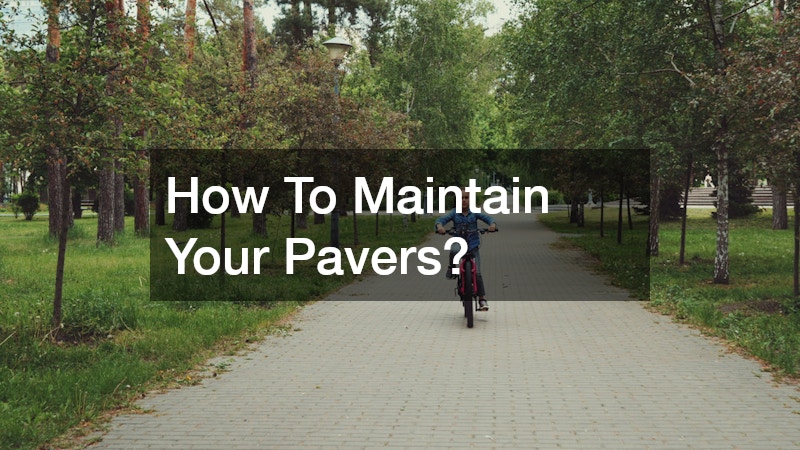
Maintaining pavers is fairly straightforward, and a little care goes a long way toward keeping them looking clean and vibrant. Routine cleaning helps remove dirt, stains, and organic buildup that can occur on high-traffic surfaces. Homeowners often sweep pavers weekly and use a gentle wash when debris accumulates. Sealing is another important step, as it protects pavers from stains, weather exposure, and the natural fading that can happen over time. When paired with well-chosen landscape mulch in surrounding beds, the area maintains a crisp, polished appearance that complements your hardscaping layout.
Local patio pavers typically recommend resealing every few years depending on foot traffic, climate, and the type of paver material. Sealers enhance color richness and help resist oil or moisture penetration, making long-term maintenance easier. Regular upkeep also ensures that pavers continue to coordinate visually with other exterior features—whether that’s the roofing chosen with help from roofers, aluminum fences that frame the yard, or nearby areas upgraded with asphalt repair. Consistent care preserves both beauty and functionality.
Addressing Common Wear And Tear
Over time, pavers may show signs of wear, especially in areas with heavy use or where weather patterns shift significantly. Common issues include minor cracking, shifting units, or uneven settling. Fortunately, pavers are easier to repair than many other outdoor surfaces because individual pieces can be adjusted or replaced without redoing the entire installation. Homeowners or landscape designers can lift affected pavers, add or level the base material, and reinstall them so the surface remains even and safe.
Keeping an eye on drainage is also essential. Poor drainage can cause pavers to settle unevenly or allow water to pool. This is often connected to other exterior components—like the performance of gutters and the condition of roofing. Timely roof repairs help keep excess water from flowing directly onto paver areas, reducing erosion or displacement. Monitoring nearby hardscaping structures ensures the whole outdoor environment stays balanced, especially when paired with fresh landscape mulch or well-maintained aluminum fences. Addressing wear early prevents bigger issues and helps pavers last for decades.
What Design Ideas Can Refresh Your Home’s Exterior?
Mixing Hardscape And Landscape Elements
A beautifully refreshed exterior often comes down to balance—especially the interplay between greenery and structural elements. Hardscaping provides the grounded, durable framework, while landscaping introduces color, movement, and seasonal interest. Combining these thoughtfully ensures the yard doesn’t feel too cold or too cluttered. Landscape designers frequently pair paver walkways with soft plant borders, or use landscape mulch to accentuate raised beds around patios and retaining walls. This creates a layered look that feels both inviting and intentional.
Creating Outdoor Living Spaces
Outdoor living remains one of the most sought-after design trends, and hardscaping makes these spaces not only beautiful but practical. Paver patios offer a stable, durable surface for dining sets, fire pits, or conversation areas, while retaining walls can double as seating or garden accents. Thoughtfully designed outdoor spaces allow homeowners to use their yards more often, turning unused square footage into comfortable, functional extensions of the home.
Complementary upgrades help complete the experience. Aluminum fences provide privacy, asphalt repair keeps driveways and connecting pathways smooth, and landscape mulch creates clean garden edges that soften structural lines. Roofers sometimes recommend coordinating outdoor living projects with local roof repair schedules so contractors aren’t working over newly installed hardscaping. When everything is timed and designed cohesively, the result feels polished and intentional. Outdoor living areas invite people to relax, entertain, and enjoy their property in ways that feel both effortless and stylish.
Transforming your home’s exterior through hardscaping, roofing updates, and paver installations offers a powerful way to refresh your property both visually and functionally. Each element plays a unique role: hardscaping provides structure, form, and usability; roofing shapes the home’s silhouette and protects its core; and pavers create walkable, beautiful surfaces that elevate everyday movement through the yard. When these improvements are supported by thoughtful additions such as aluminum fences, fresh landscape mulch, and well-timed asphalt repair, the entire exterior becomes more cohesive and more enjoyable.